Uncovering the Role of Software Developers in Crafting Seamless Integration Between Mobile Interfaces and Tiered Loyalty Incentives
Written by Henrik Reed · May 22, 2026
Uncovering the Role of Software Developers in Crafting Seamless Integration Between Mobile Interfaces and Tiered Loyalty Incentives
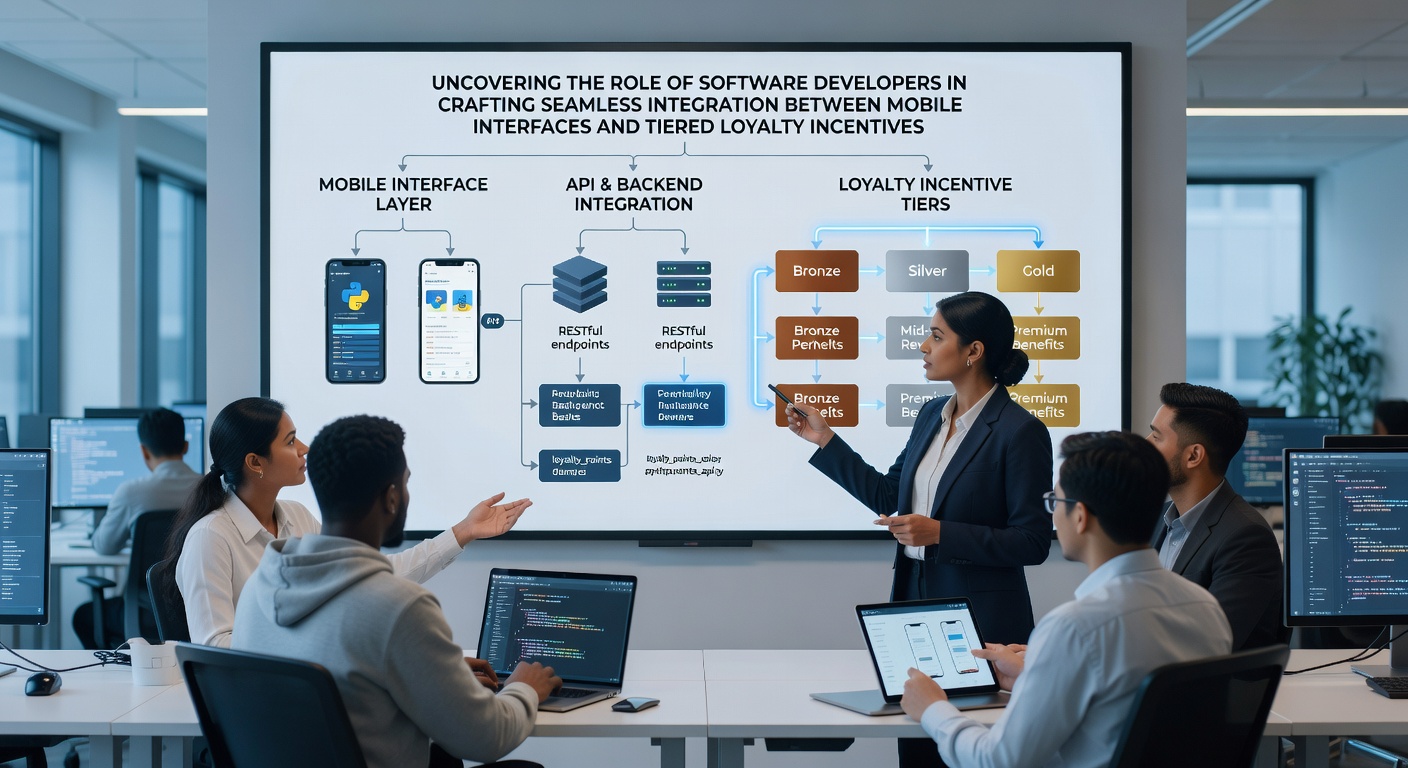
Software developers play a central part in building the connections that let mobile apps display loyalty incentives without friction or delay, and they achieve this through careful architecture choices that link user interfaces directly to backend reward engines. Data flows from user actions on the screen to tier calculations happen in milliseconds because teams design APIs that handle real-time queries while maintaining security protocols across different devices and operating systems. Observers note that these integrations have grown more sophisticated since earlier generations of apps relied on separate systems that often created sync delays or outdated point balances for users checking their status mid-session.
Core Technical Components in Mobile-Loyalty Connections
Developers typically start by mapping out how interface elements such as progress bars, tier badges, and personalized offers pull from centralized databases that track spending patterns and engagement metrics. They implement event listeners in the mobile code that trigger updates whenever a user completes a qualifying action, while background services ensure the display refreshes even if the app runs in the foreground or background. Research from industry groups shows that apps using these event-driven architectures see higher retention rates because users receive immediate visual feedback on their progress toward the next reward level. Code modularization allows teams to update loyalty rules on the server side without pushing new app versions each time a program changes its incentive structure, and this separation keeps the mobile interface responsive across frequent updates.
Data Synchronization and Personalization Layers
Teams handle synchronization challenges by combining local storage caches with cloud-based validation checks that run at set intervals or on specific triggers like app launch and user login. This approach prevents the common issue where a user sees an old tier status due to offline activity that hasn't yet synced, and developers often incorporate conflict resolution logic that prioritizes server data when discrepancies appear. Personalization comes from machine learning models that developers integrate into the reward pathway, where algorithms analyze past behavior to surface relevant incentives directly in the interface without requiring extra navigation steps. Figures from application performance studies indicate that such targeted displays can increase interaction times by noticeable margins when the code executes efficiently on mid-range devices common in various markets.
But here's the thing: maintaining consistency across platforms requires developers to write shared logic in cross-platform frameworks while still optimizing native components for performance on iOS and Android separately. They test edge cases involving low connectivity or high user loads to ensure tier calculations remain accurate even during peak usage periods. In May 2026 several development teams rolled out enhanced offline-first designs that allow partial loyalty tracking to continue without network access, syncing fully once connectivity returns and preserving user trust in the displayed incentives.
Security Measures and Compliance Considerations
Security forms a foundational element because loyalty data includes personal identifiers and transaction histories that must stay protected under regulations varying by region. Developers apply encryption to data in transit and at rest while building audit logs that track every change to a user's tier status or point balance. Those who've studied these systems know that role-based access controls limit which parts of the codebase can read or modify sensitive reward information, and regular penetration testing helps identify vulnerabilities before they reach production environments. Academic research from Canadian institutions has examined how these layered protections support larger loyalty ecosystems without introducing noticeable slowdowns in the mobile experience.

Testing and Iteration Practices
Quality assurance processes include automated test suites that simulate user journeys through multiple loyalty tiers while checking that interface elements update correctly and offers appear at the right moments. Developers run A/B tests on different visual treatments of tier progress to gather performance data that guides refinements, and they monitor crash reports tied to loyalty features to catch integration bugs quickly. What's interesting is how continuous integration pipelines allow small code changes to deploy frequently, keeping the mobile interface aligned with evolving incentive programs that companies adjust based on seasonal campaigns or user feedback loops. Industry organizations in Australia have documented how these agile methods help teams adapt loyalty integrations to new device types and screen sizes as hardware evolves.
People often find that collaboration between front-end specialists and backend engineers determines whether the final product feels unified or disjointed, since each group brings distinct expertise to the shared goal of smooth data exchange. Code reviews focus on clarity and efficiency in the integration points, ensuring future maintainers can understand the flow from screen tap to reward calculation without extensive documentation hunts. External links to established reports help teams benchmark their approaches against broader trends in mobile development practices.
Future Directions in Integration Techniques
Emerging tools such as server-driven UI frameworks let developers push interface updates for loyalty displays from the backend, reducing the need for app store releases when incentive visuals change. Integration with wearable devices extends the reach of tier notifications beyond the phone screen, and developers are exploring ways to maintain consistent states across these additional touchpoints. Data from technology research centers shows continued investment in these areas as companies seek to deepen user engagement through more accessible reward visibility. Observers note that privacy-preserving techniques like on-device processing for basic tier checks are gaining traction where regulations emphasize user data control.
Conclusion
Software developers continue to refine the technical bridges that connect mobile interfaces with tiered loyalty incentives through deliberate choices in architecture, security, and testing. Their work supports systems that deliver accurate, timely information to users while adapting to new devices and regulatory landscapes. As practices advance, the focus remains on reliable performance and clear data flows that keep reward experiences responsive across different contexts and user scenarios.