Regulatory Compliance Pathways Linking Game Studios to Multi-State Licensing in Virtual Entertainment Networks
Written by Sofia Carter · May 26, 2026
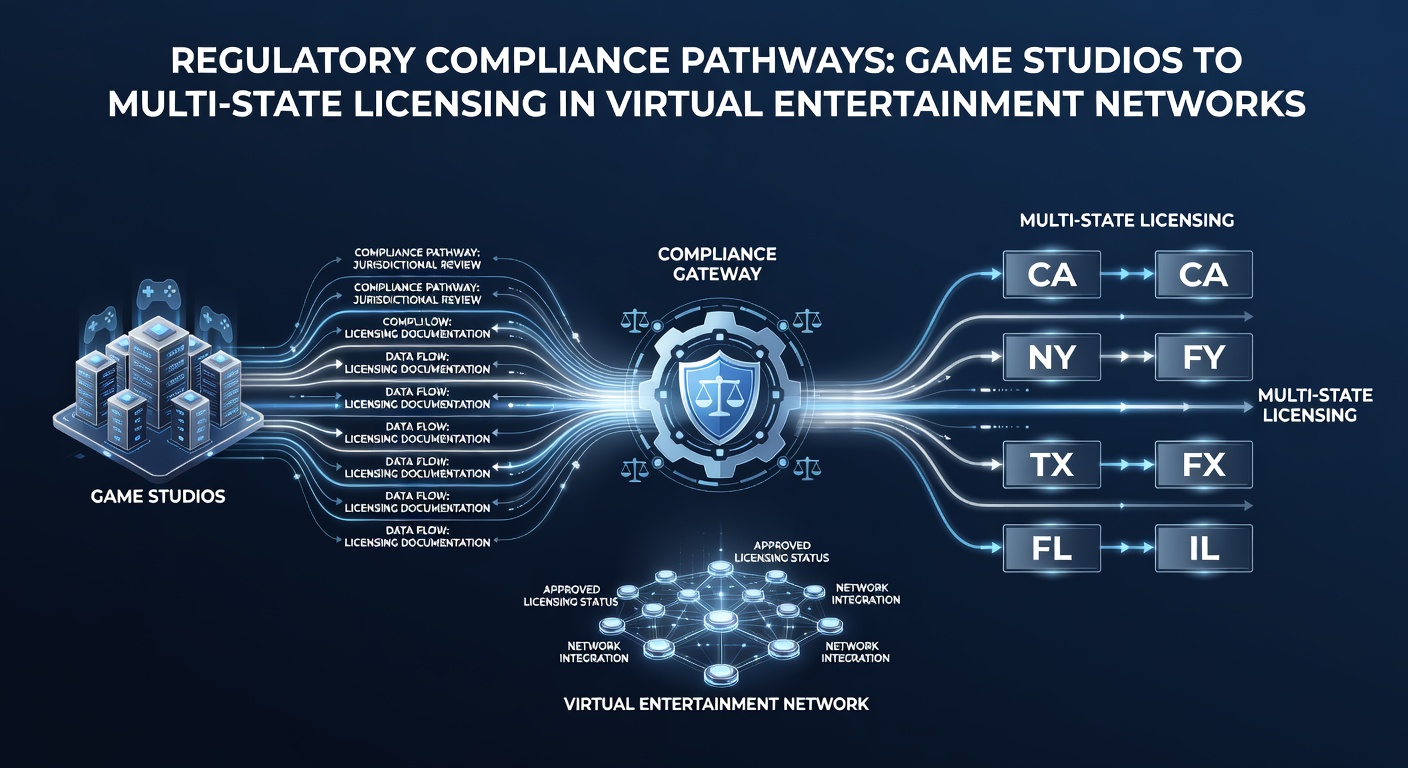
Regulatory Compliance Pathways Linking Game Studios to Multi-State Licensing in Virtual Entertainment Networks
Game studios operating in virtual entertainment networks face intricate regulatory compliance pathways when pursuing multi-state licensing across the United States, and these pathways connect software development processes directly to state-level approval mechanisms that govern online gaming platforms. Regulatory frameworks in various states require studios to demonstrate adherence to technical standards, financial reporting protocols, and player protection measures before integration into broader networks occurs, while data from industry reports shows that licensing timelines often span 12 to 24 months depending on the number of jurisdictions involved.
Core Elements of Compliance Pathways
Studios must navigate separate application processes in each state, and these processes typically include submission of source code audits, security certifications, and operational policies that align with local statutes. Observers note that states like Nevada and New Jersey maintain distinct evaluation criteria for game mechanics and payout algorithms, whereas emerging markets in states such as Michigan and Pennsylvania emphasize integration testing with centralized monitoring systems, and researchers at academic institutions have documented how these variations create layered compliance obligations that studios address through modular software architectures.
Multi-state licensing further requires coordination with third-party testing laboratories accredited by multiple jurisdictions, and this coordination ensures that games meet uniform randomness standards while accommodating state-specific rules on features like bonus rounds or progressive jackpots. Figures from the American Gaming Association reveal that over 40 states now permit some form of regulated online gaming activity, which has prompted studios to develop standardized compliance modules that can be adapted for individual state submissions without full recertification in every case.
Integration with Virtual Entertainment Networks
Virtual entertainment networks function as aggregation platforms that connect multiple studios to operators across licensed states, and these networks enforce additional compliance layers that include real-time data sharing with regulatory bodies and automated reporting on player activity. Studios seeking network participation must establish secure API connections that transmit transaction logs and compliance metrics, while network operators in turn verify that each studio maintains valid licenses in every state where content is distributed.
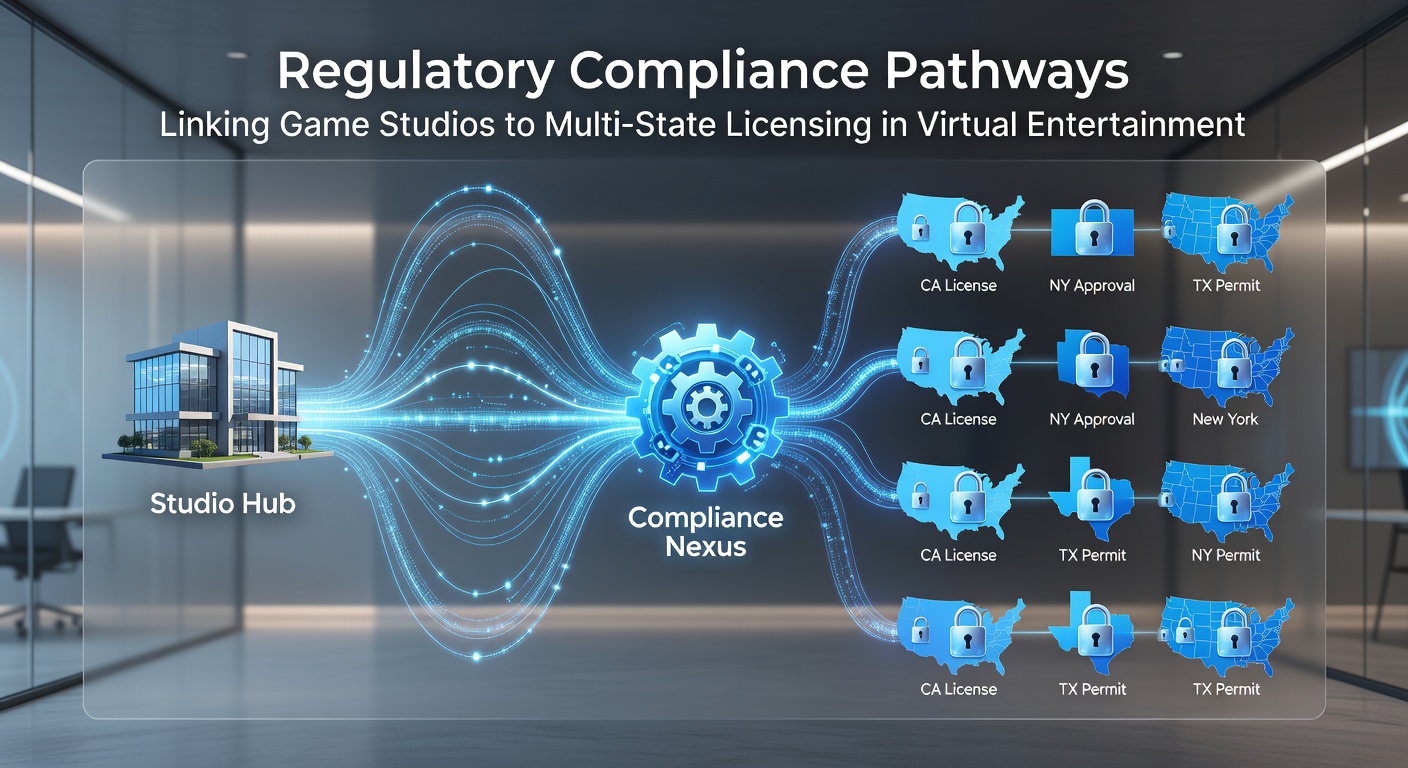
Experts have observed that this integration creates a feedback loop where network performance data informs future licensing renewals, and studies from research institutions indicate that studios with robust internal compliance teams experience faster approval rates when expanding into additional states. In May 2026 several states updated their licensing portals to include blockchain-based verification tools, allowing studios to submit immutable records of prior compliance audits that regulators in other jurisdictions can access directly.
Challenges and Adaptation Strategies
Geographic differences in tax structures and responsible gaming mandates present ongoing challenges for studios, yet many address these through dedicated compliance software that tracks regulatory changes across jurisdictions simultaneously. Industry organizations report that collaborative working groups formed between studios and state regulators have streamlined certain approval steps, particularly for updates to existing games rather than entirely new titles, and this collaboration has reduced average processing times in participating states by measurable margins according to aggregated licensing statistics.
One case involved a studio that aligned its reward pathway systems with network requirements in advance of multi-state expansion, which allowed seamless rollout once licenses were secured in five additional jurisdictions during early 2026. Such examples illustrate how proactive alignment between development pipelines and regulatory expectations supports broader network participation without repeated full-scale audits.
Conclusion
Regulatory compliance pathways continue to evolve as more states authorize virtual entertainment activities, and the connections between game studios and multi-state licensing frameworks remain central to sustainable network operations. Data indicates that studios investing in adaptable compliance infrastructure position themselves effectively for expansion, while ongoing updates to state systems in 2026 and beyond will likely refine these pathways further through enhanced digital tools and inter-jurisdictional data exchange protocols.