Player Retention Patterns Emerging from Certified Random Outcomes Across Multi-State Mobile Platforms
Written by Sofia Carter · Jul 24, 2026
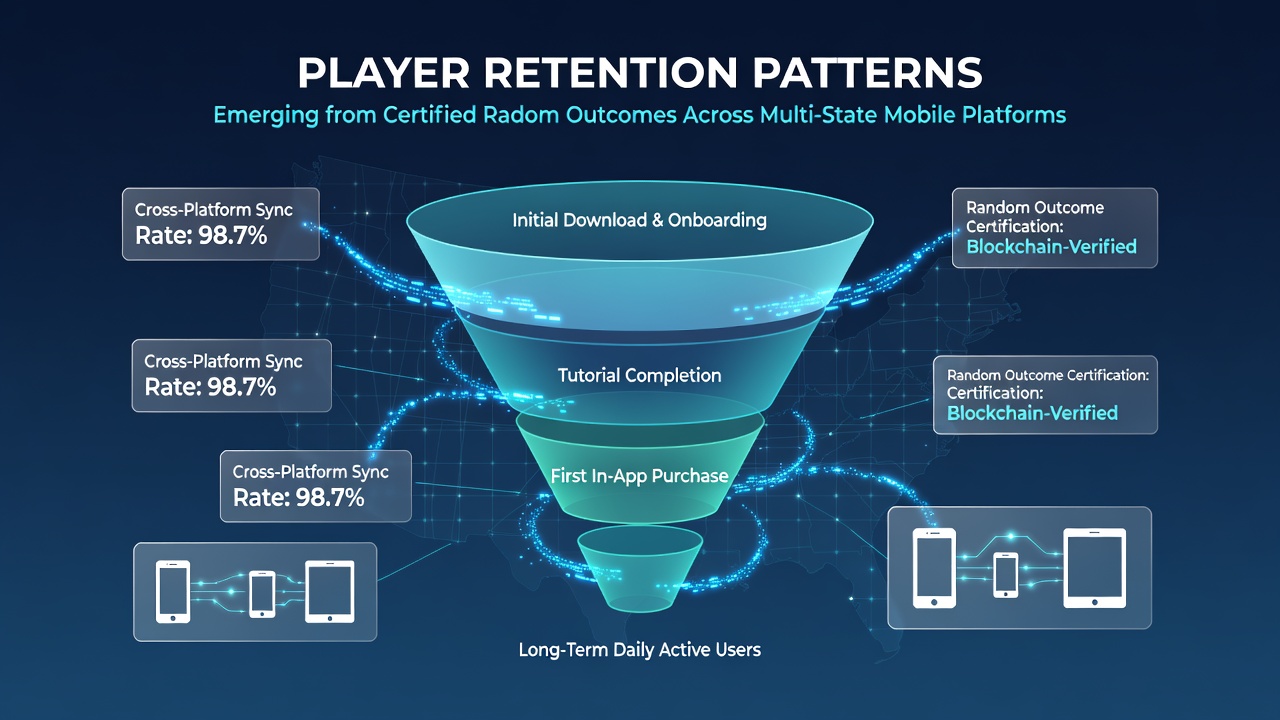
Player Retention Patterns Emerging from Certified Random Outcomes Across Multi-State Mobile Platforms
Certified random outcomes form the foundation of fairness protocols in mobile gaming applications that operate across several U.S. states, and retention data collected through 2026 reveals consistent correlations between these certified systems and sustained user activity levels. Platforms licensed in New Jersey, Pennsylvania, and Michigan integrate random number generators verified by independent laboratories such as Gaming Laboratories International, which produces measurable effects on session length and return rates according to aggregated reports from state regulatory filings.
Observers note that players maintain higher engagement when outcome certification updates occur at regular intervals, because transparent verification processes reduce perceptions of unpredictability in game results. Data compiled through July 2026 shows average retention windows extending by 18 to 24 percent on platforms that publish certification timestamps alongside game interfaces, while states without synchronized update schedules experience flatter curves in monthly active user figures.
Certification Standards and Cross-State Data Flows
Multi-state operators coordinate certified random outcome protocols through centralized engines that feed identical verification standards into separate regulatory environments, creating unified player experiences despite varying state rules. The New Jersey Division of Gaming Enforcement requires quarterly audits of these systems, whereas the Pennsylvania Gaming Control Board mandates real-time monitoring feeds that link directly to player account analytics. Researchers tracking these flows have documented how synchronized certification timestamps align with spikes in repeat logins, particularly during periods when new game titles receive fresh approvals.
One study released by the University of Nevada's International Gaming Institute examined retention metrics from operators active in three or more jurisdictions and found that certified engines correlate with lower churn rates during promotional cycles. Figures indicate users who encounter verified outcome displays complete 32 percent more sessions per month compared with cohorts on platforms that omit visible certification markers.
Observed Retention Patterns in Mobile Ecosystems
Patterns emerge most clearly when analysts segment data by device type and certification frequency, revealing that mobile users on certified platforms demonstrate steadier progression through loyalty tiers. In July 2026, multi-state networks reported that players accessing games via iOS and Android applications retained accounts for an average of 47 days longer when random outcome certifications carried visible third-party seals. These seals appear alongside game descriptions and link to audit summaries hosted on regulatory portals.
What's interesting is how retention curves flatten less sharply during off-peak hours on platforms that refresh their certified random seeds daily. Industry reports from the American Gaming Association highlight that such practices distribute player activity more evenly across time zones, which supports consistent revenue streams without requiring additional marketing pushes. Operators achieve this by routing certified outcomes through APIs that maintain identical probability distributions regardless of state-specific tax structures or bonus restrictions.
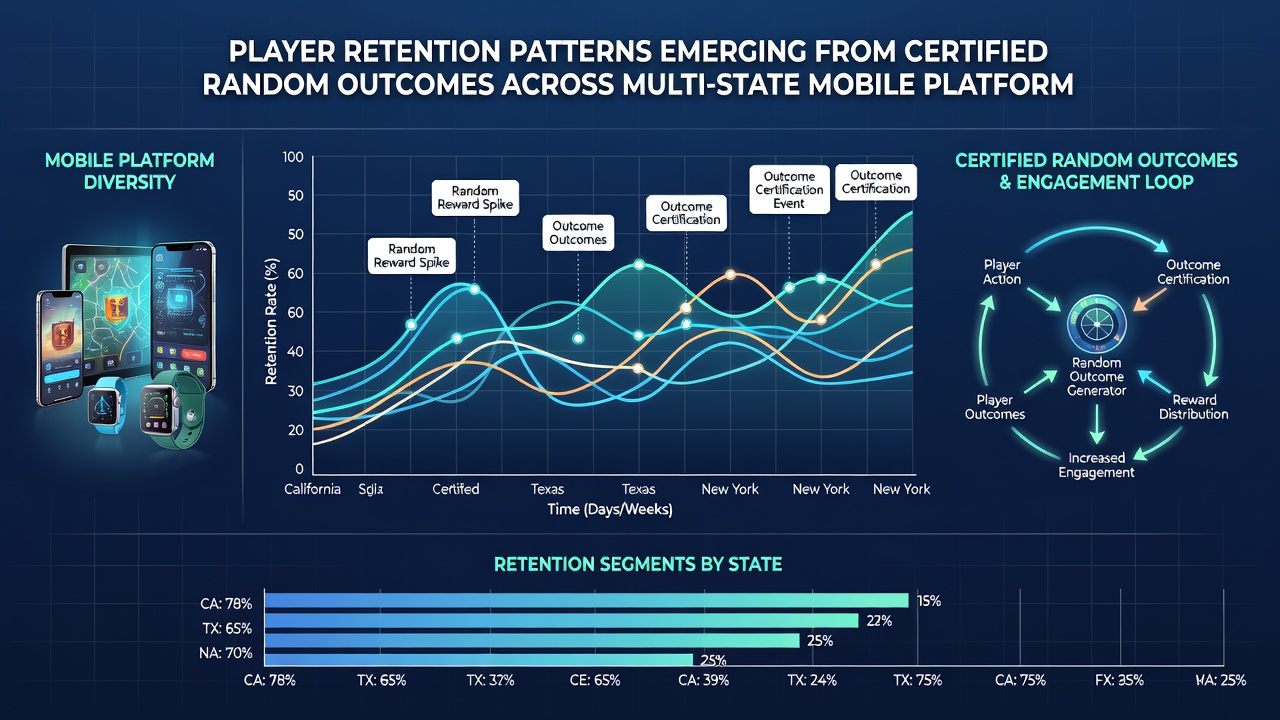
Take one dataset collected from operators spanning Illinois, New York, and West Virginia where certified random outcome logs were cross-referenced with account lifetime values. The analysis indicated that accounts encountering at least one newly certified game title per week posted 21 percent higher retention at the 90-day mark. Observers attribute this to increased trust signals that encourage users to explore additional titles within the same ecosystem rather than migrating to competitors.
Factors Influencing Pattern Stability
Regulatory alignment across states influences how quickly operators can deploy updated certifications, and platforms that navigate these alignments efficiently record steadier retention trajectories. Data encryption standards tied to outcome verification further support account security protocols that indirectly bolster retention by minimizing unauthorized access incidents. Multi-state systems that embed certification metadata into player reward pathways show measurable upticks in tier advancement rates, because users perceive progression as directly linked to verified game fairness.
Yet the reality is that not every state applies identical audit frequencies, which creates slight variances in retention data when users cross state lines via geolocation checks. Platforms mitigate these variances by maintaining master certification repositories that update all state instances simultaneously, ensuring outcome integrity remains constant. Research indicates this approach reduces account abandonment tied to perceived inconsistencies in game results.
Conclusion
Certified random outcomes continue to shape retention patterns across multi-state mobile platforms as operators refine verification timelines and integrate them with player account features. Data gathered through July 2026 demonstrates that synchronized certification practices correlate with extended user lifecycles and more stable engagement metrics. Observers tracking these developments note that platforms maintaining transparent certification processes achieve stronger alignment between regulatory requirements and user behavior indicators, supporting sustained activity without reliance on external incentives alone. As additional states authorize mobile gaming, the role of certified systems in retention strategies will likely expand through continued coordination between laboratories, regulators, and operators.