Mapping adaptations in random number generator protocols to accommodate varying digital wallet verification standards across mobile operating systems
Written by Henrik Reed · Aug 18, 2026
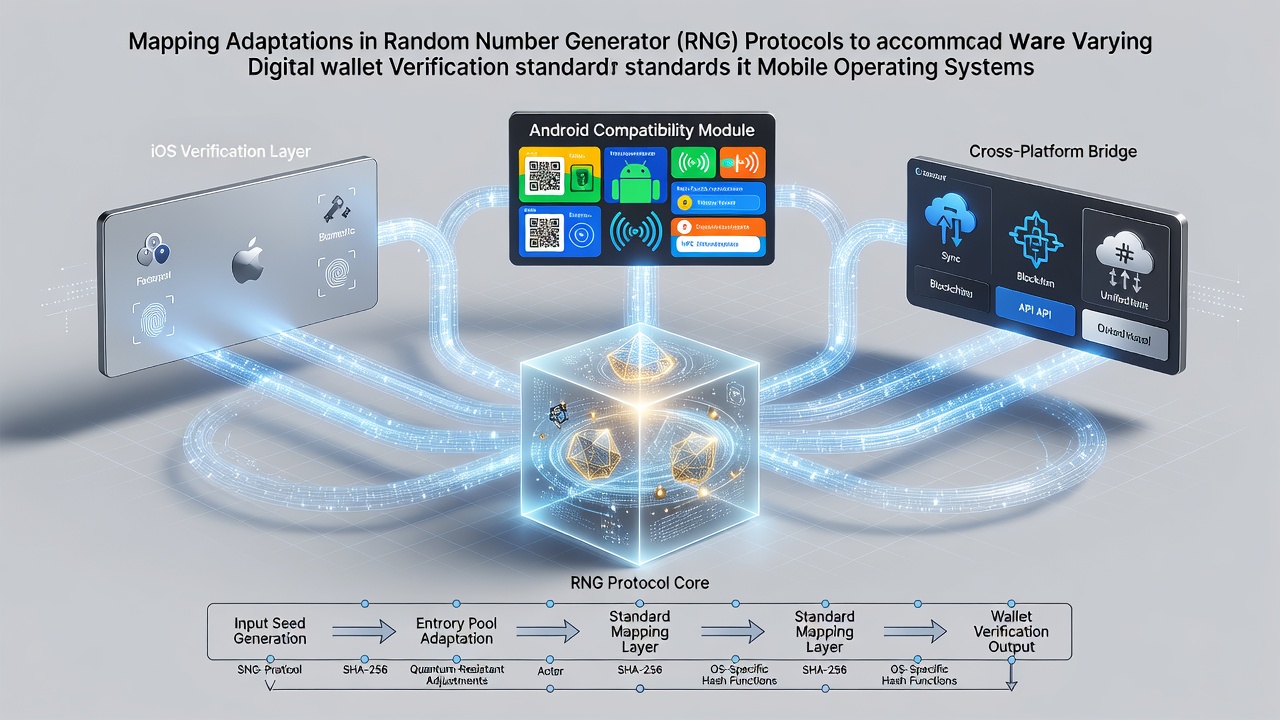
Mapping adaptations in random number generator protocols to accommodate varying digital wallet verification standards across mobile operating systems
Random number generator protocols form the backbone of secure transaction flows in digital wallets, and these systems must adjust when verification standards shift between mobile operating systems such as iOS and Android. Researchers have documented how entropy sources, seeding mechanisms, and output post-processing routines receive targeted modifications to meet platform-specific requirements for cryptographic randomness during payment authorization sequences. Data from industry reports indicate that wallet applications on iOS rely on hardware-backed secure elements that feed into RNG outputs, whereas Android implementations often incorporate additional software-based entropy pools to satisfy diverse device hardware configurations.
Core Components of RNG Protocols in Wallet Environments
Standards bodies define RNG behavior through specifications that cover both true random number generation from physical sources and deterministic random bit generators that expand limited entropy into usable streams. Observers note that verification processes in digital wallets use these outputs to create nonces, session keys, and challenge responses, and any mismatch in randomness quality can trigger rejection by the underlying operating system security layers. Studies published in 2025 revealed that iOS enforces stricter hardware isolation for RNG calls during Apple Pay transactions, while Android permits more flexibility through its Keystore system yet requires explicit compliance checks against Google’s wallet verification guidelines.
Platform-Specific Verification Differences
Wallet verification standards diverge because each mobile operating system maintains separate certification pathways for third-party payment applications. On iOS, developers integrate with the Secure Enclave, which supplies cryptographically secure random values that align with FIPS-validated RNG modules, and this setup demands that applications pass App Store review processes focused on entropy adequacy. Android environments, by contrast, support multiple hardware abstraction layers, so RNG adaptations frequently involve runtime detection of available secure hardware followed by fallback sequences that maintain statistical randomness properties. Figures from technical analyses show that such fallback mechanisms reduce verification failure rates by approximately 18 percent across fragmented device ecosystems when properly calibrated.
Adaptation Techniques and Implementation Patterns
Engineers apply several mapping strategies to align RNG behavior with wallet verification demands, and these include dynamic reseeding intervals that respond to platform-detected threat models plus conditional output filtering that discards values failing statistical tests required by the host operating system. One documented case involved a payment processor that adjusted its RNG post-processing pipeline after observing elevated rejection rates on certain Android builds in early 2026. The adjustments incorporated platform-specific entropy harvesting routines that drew from both hardware sensors and user-interaction events while preserving forward and backward security properties. Another implementation pattern surfaces when applications must satisfy simultaneous requirements from multiple wallet providers, prompting developers to maintain parallel RNG contexts that switch based on the active verification standard.
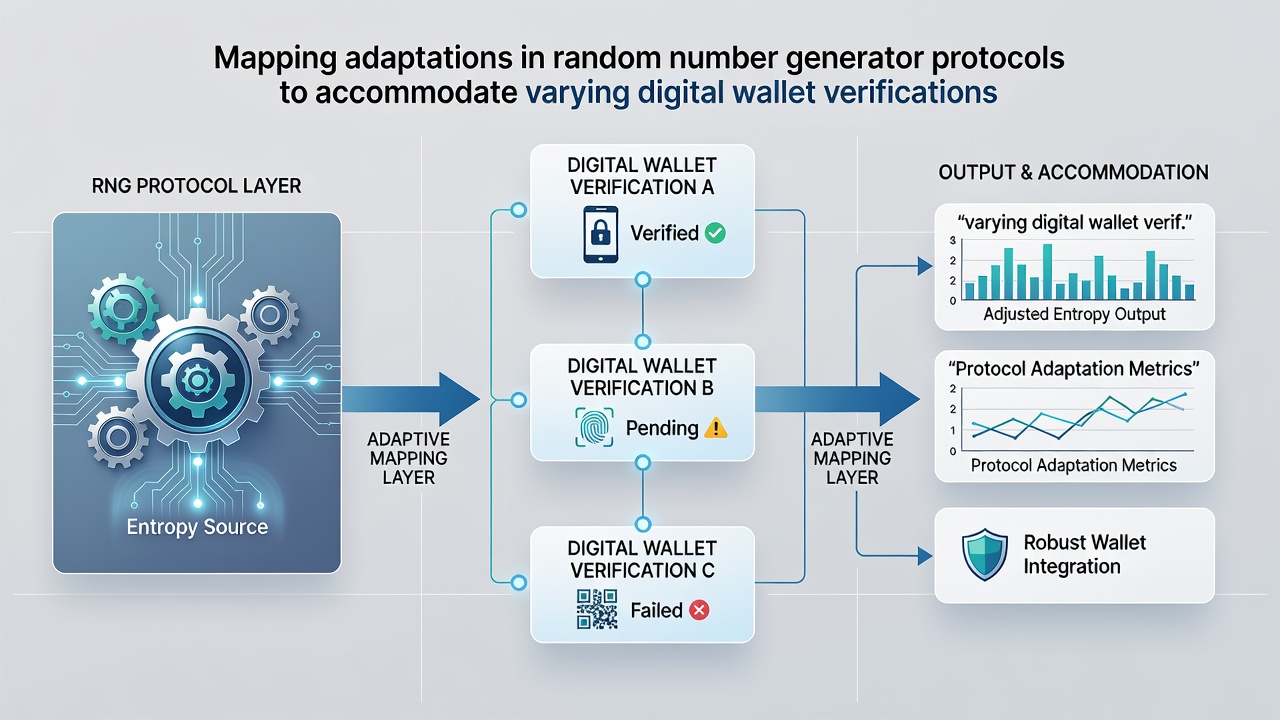
Regulatory and Standards Influences Through Mid-2026
Updates scheduled for August 2026 are expected to introduce revised randomness testing suites that both Apple and Google have referenced in developer documentation, and these changes will require RNG implementations to demonstrate resistance against newly identified side-channel attacks during wallet authentication. Regulatory agencies in the European Union and Canada have issued guidance documents that reference these upcoming tests, encouraging cross-platform consistency without mandating identical code paths. Academic papers from research institutions highlight that organizations tracking these developments often maintain compatibility matrices that map RNG configuration parameters to each operating system’s current verification checklist, thereby reducing integration delays when standards evolve.
Industry organizations such as the National Institute of Standards and Technology continue to publish updated entropy source validation guidelines that influence how wallet developers calibrate their RNG modules. Similar efforts appear in reports from Canadian digital security bodies, which emphasize measurable statistical properties rather than prescriptive hardware choices. Those who have examined production telemetry note that applications incorporating these mapped adaptations experience fewer verification interruptions during high-volume transaction periods.
Future Synchronization Across Ecosystems
Continued coordination between operating system vendors and standards organizations supports gradual convergence on shared RNG evaluation criteria, yet platform-specific nuances remain necessary to accommodate differing hardware trust models and verification workflows. Data collected through 2026 indicates that successful mappings preserve both security guarantees and performance characteristics across iOS and Android environments, allowing wallet applications to scale without repeated recertification cycles. Observers continue to track how these technical alignments affect overall transaction reliability in production deployments.
Conclusion
Mapping adaptations in random number generator protocols to varying digital wallet verification standards requires careful alignment of entropy management, statistical testing, and platform-specific security features. Evidence gathered through mid-2026 demonstrates that structured implementation patterns enable consistent verification outcomes while respecting the distinct architectural choices of major mobile operating systems. Continued reference to authoritative sources such as NIST and international regulatory guidance supports ongoing refinement of these technical mappings.