How Biometric Security Protocols Align with Player Data Streams to Shape Reward Allocations in Multi-Jurisdiction Slot Networks
Written by Sofia Carter · Jul 19, 2026
How Biometric Security Protocols Align with Player Data Streams to Shape Reward Allocations in Multi-Jurisdiction Slot Networks
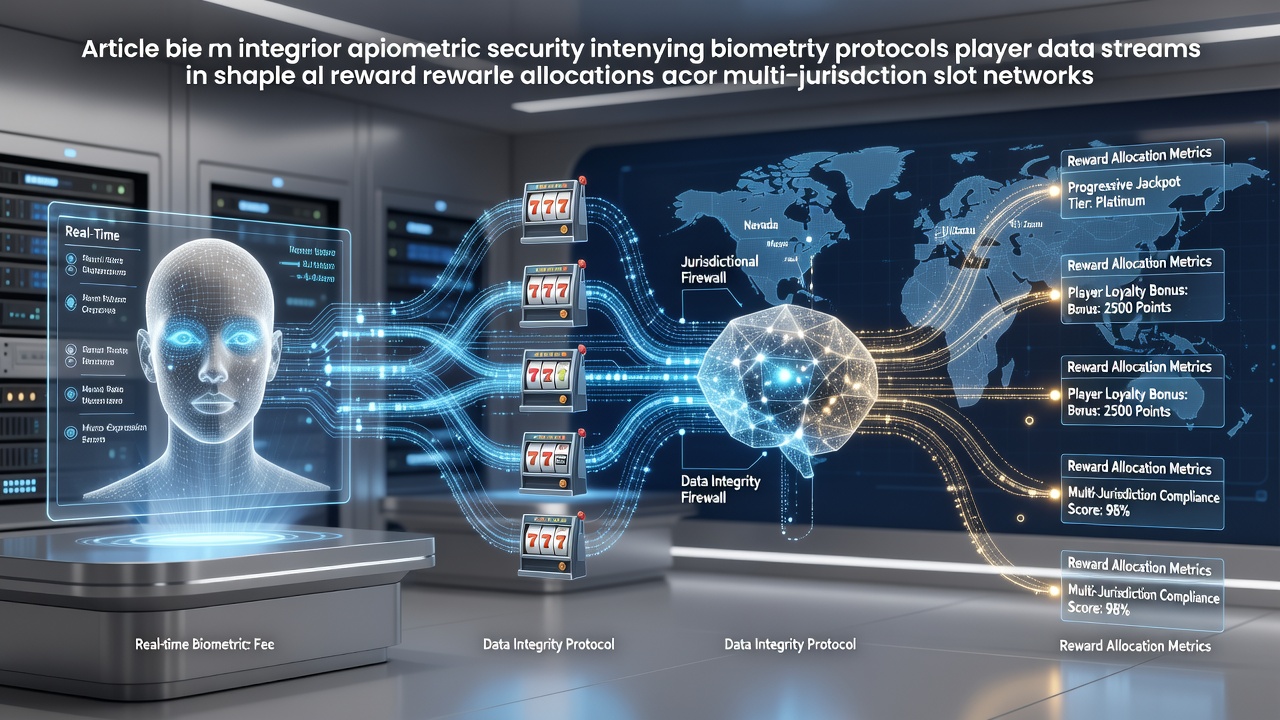
Biometric security protocols rely on fingerprint recognition, facial mapping, and iris scanning to verify player identities before any data streams activate reward calculations across slot networks that span multiple regulatory zones, and these systems feed directly into centralized player profiles that track wagering patterns in real time. Networks operating in jurisdictions such as New Jersey, Nevada, and several European markets synchronize these biometric markers with transaction logs so that reward points accumulate only after identity confirmation clears local compliance checks. Data streams from each spin transmit encrypted packets that include bet size, session duration, and machine ID, yet biometric overlays add an additional verification layer that prevents duplicate accounts from claiming overlapping incentives. Operators use this combined flow to allocate tiered bonuses, cashback percentages, and loyalty multipliers that adjust automatically based on verified play volume across state lines.Integration Mechanisms Across Jurisdictions
Slot networks coordinate biometric enrollment at the first point of registration, where a player submits facial data that links to an account number stored in a shared database compliant with each region's privacy statutes. Once enrolled, subsequent logins trigger a quick scan that unlocks the data stream without requiring repeated manual entries, and this process runs continuously during active sessions so reward accruals reflect only authenticated activity.
Cross-border synchronization occurs through secure application programming interfaces that map biometric hashes to regulatory identifiers required by bodies such as the New Jersey Division of Gaming Enforcement and the Nevada Gaming Control Board. These mappings ensure that a player verified in one jurisdiction carries an eligibility flag that other networks recognize, allowing seamless reward transfers when the same account engages machines under different licensing authorities.
Data Stream Pathways and Reward Calculation
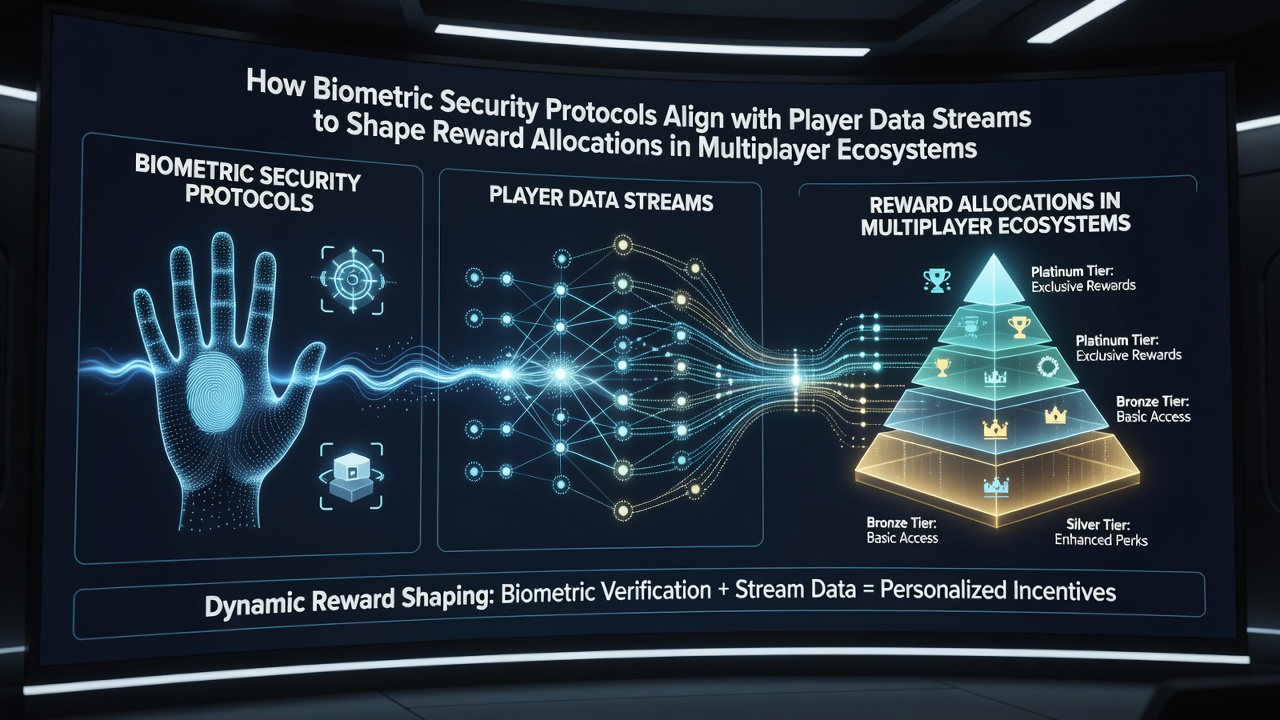
Player data streams originate from slot machine sensors that record every reel stop and coin-in event, then route through encryption gateways before merging with biometric confirmation timestamps. Reward allocation engines query this merged dataset every few minutes to determine whether a player meets thresholds for progressive jackpots or loyalty level upgrades, and the biometric anchor prevents unauthorized transfers of those rewards to secondary profiles.
According to figures released by the New Jersey Division of Gaming Enforcement, networks using aligned biometric and data protocols reported a 27 percent reduction in disputed reward claims during the first half of 2026. The same reports note that verification failures trigger immediate stream pauses, halting point accumulation until the player re-authenticates at an approved terminal.
Regulatory Alignment and Technical Standards
Multi-jurisdiction operators must satisfy differing rules on data retention and consent, which biometric systems address by storing only non-reversible templates rather than raw images. These templates travel alongside the live data stream in tokenized form, enabling reward engines to apply jurisdiction-specific multipliers without exposing personal details beyond what each regulator permits.
Research published by the University of Nevada, Reno gaming laboratory in early 2026 examined synchronization patterns in three major networks and found that biometric checkpoints reduced latency in reward delivery by an average of 1.8 seconds per transaction. The study also documented how operators adjust allocation formulas when a player crosses into a new regulatory zone, automatically applying the stricter data-handling rules of the destination jurisdiction to the ongoing session stream.
Operational Examples in July 2026
During July 2026 several networks expanded biometric enrollment kiosks at border properties to accommodate seasonal traffic between Nevada and neighboring states. These installations feed directly into the same data pipelines used for reward calculations, ensuring that points earned on one side of the state line remain accessible after a player relocates to a differently regulated property within the same network.
Industry associations such as the American Gaming Association have published technical briefs outlining minimum encryption standards that keep biometric hashes separate from financial transaction records, a separation that reward systems respect when calculating personalized offers. Networks that follow these briefs report smoother audits because regulators can trace each reward allocation back to a verified biometric event without accessing unrelated personal information.
Conclusion
Biometric security protocols continue to merge with player data streams in ways that directly influence how slot networks distribute rewards across multiple jurisdictions, creating verification checkpoints that protect both operators and players while satisfying diverse regulatory requirements. As these alignments mature, the underlying data architecture determines eligibility for every bonus tier and loyalty benefit that appears in a verified account.