Decoding synchronization between audio design elements and reward distribution algorithms across licensed virtual slot networks
Written by Xander Fischer · Jul 12, 2026
Decoding synchronization between audio design elements and reward distribution algorithms across licensed virtual slot networks
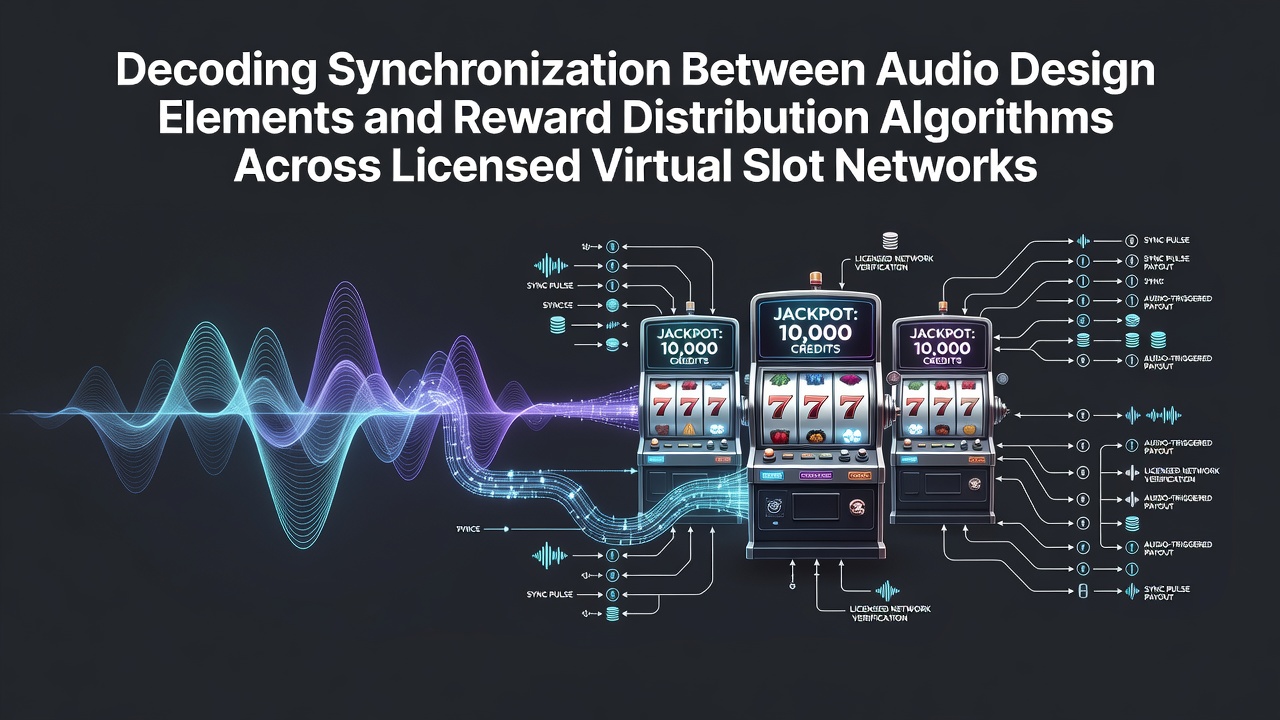
Virtual slot networks operate through coordinated layers where audio cues align precisely with the outputs of reward distribution algorithms, creating measurable patterns in player sessions across licensed platforms. Developers integrate sound files that trigger at specific reel stops or bonus activations while the underlying algorithms calculate payout probabilities based on certified random number generators. This coordination ensures that auditory signals match the timing of credit allocations without introducing latency that could disrupt session flow.
Audio Design Elements in Slot Systems
Audio components in these networks include layered tracks for base game spins, win celebrations, and progressive meter builds. Engineers program frequency ranges and volume envelopes to correspond with algorithm-determined win sizes so that larger rewards activate fuller soundscapes while smaller returns use shorter chimes. Data from certified testing labs shows that these mappings undergo verification against payout tables before deployment on regulated servers.
Sound libraries often contain modular segments that load dynamically according to the algorithm's output state. When a reward threshold crosses a defined boundary the system swaps in additional harmonic layers without interrupting the reel cycle. Observers note that this modular approach reduces server load while maintaining consistency across multiple device types connected to the same network backend.
Reward Distribution Algorithms and Their Timing
Reward algorithms rely on pseudorandom sequences generated at fixed intervals, typically measured in milliseconds, and these sequences feed directly into payout matrices that determine credit awards. Synchronization occurs when audio playback buffers receive the same sequence flags that trigger the payout calculation, allowing the sound event to initiate at the exact frame where reels settle. Licensed operators document these flag mappings in technical submissions required by gaming authorities in multiple jurisdictions.
Studies conducted by university research groups have examined how timestamp alignment between algorithm outputs and audio engines affects session metrics. Findings indicate that sub-50-millisecond offsets maintain perceived seamlessness while larger deviations can alter player retention patterns recorded in operator dashboards.
Integration Across Licensed Networks
Network operators implement application programming interfaces that pass reward flags from the central game engine to both the payout processor and the audio renderer simultaneously. These APIs undergo audits by independent laboratories to confirm that no unauthorized modifications occur between certification and live deployment. In July 2026 several multi-state platforms updated their integration protocols to support higher-resolution audio streams while preserving the original synchronization tolerances.
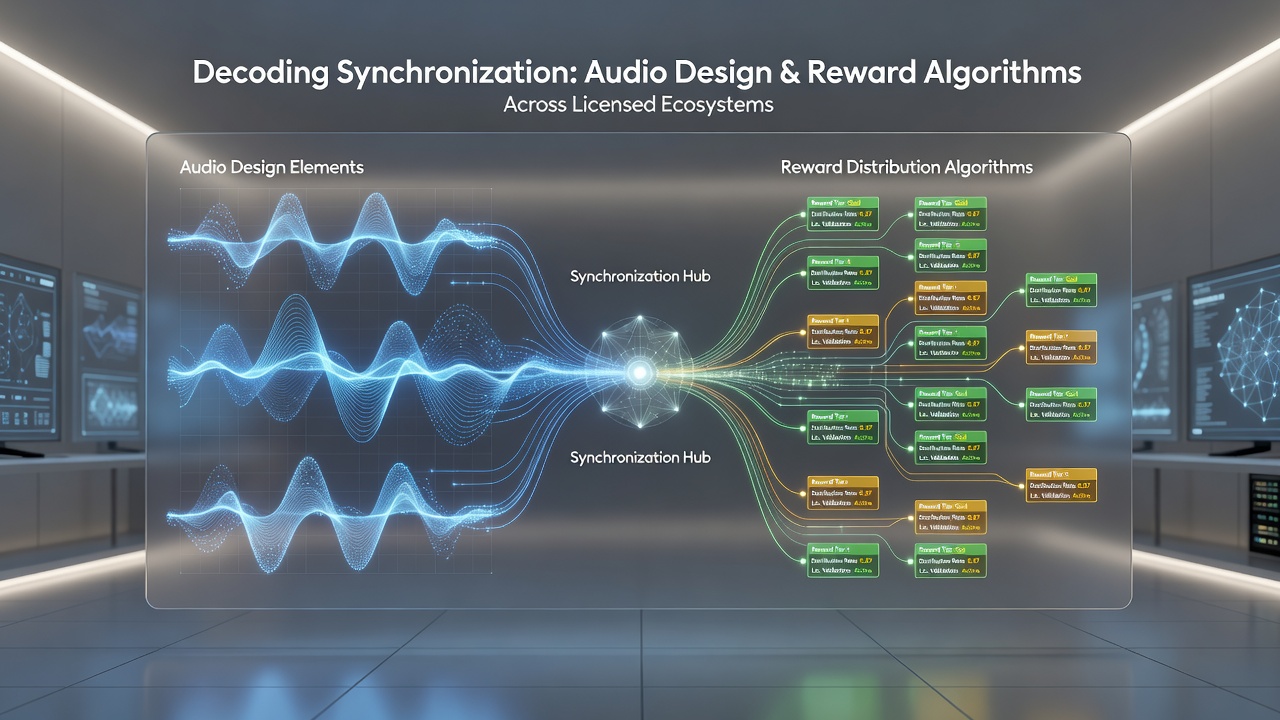
Take one network provider that expanded operations into additional Canadian provinces during the same period. That expansion required re-mapping audio triggers to accommodate regional payout reporting standards while the core reward algorithm remained unchanged. The transition involved recalibrating buffer sizes so that sound events continued to match credit postings reported to provincial oversight bodies.
Technical Standards and Compliance Pathways
Regulatory frameworks in places such as New Jersey and several Australian states require documented evidence that audio events correspond exactly to the mathematical outcomes certified for each game title. New Jersey Division of Gaming Enforcement publishes guidelines that list acceptable latency ranges between algorithm execution and sensory output. Compliance teams maintain logs that record every synchronization event during test cycles and retain those records for the duration specified by each jurisdiction.
Industry organizations including the International Gaming Technology Association have released reference architectures that illustrate how audio middleware can subscribe to the same event bus used by reward processors. These architectures emphasize event-driven design so that any change in reward parameters automatically propagates to audio handlers without manual code intervention.
Current Patterns Observed in 2026
Deployment records from mid-2026 reveal increased adoption of adaptive audio systems that scale complexity based on concurrent player volume. When network traffic rises the system reduces polyphony in non-critical sound layers while preserving the primary win and bonus cues tied directly to algorithm outputs. This adjustment maintains synchronization integrity even during peak hours across distributed server clusters.
Operators also report greater use of encrypted timestamp tokens that travel with each reward flag. The tokens allow downstream audio components to verify that the received instruction matches the certified sequence without exposing the underlying random values. Such measures address security requirements listed in technical standards from multiple licensing regions.
Conclusion
Synchronization between audio design elements and reward distribution algorithms forms a core operational layer in licensed virtual slot networks. Precise timing between these components supports both regulatory compliance and consistent session delivery across devices. Continued refinement of integration protocols through 2026 reflects ongoing adaptation to new technical standards and multi-jurisdictional reporting demands.