Charting Synchronization Patterns Between Certified Game Engines and Dynamic Incentive Delivery Across Regulated Digital Platforms
Written by Frankie Bauer · Jun 5, 2026
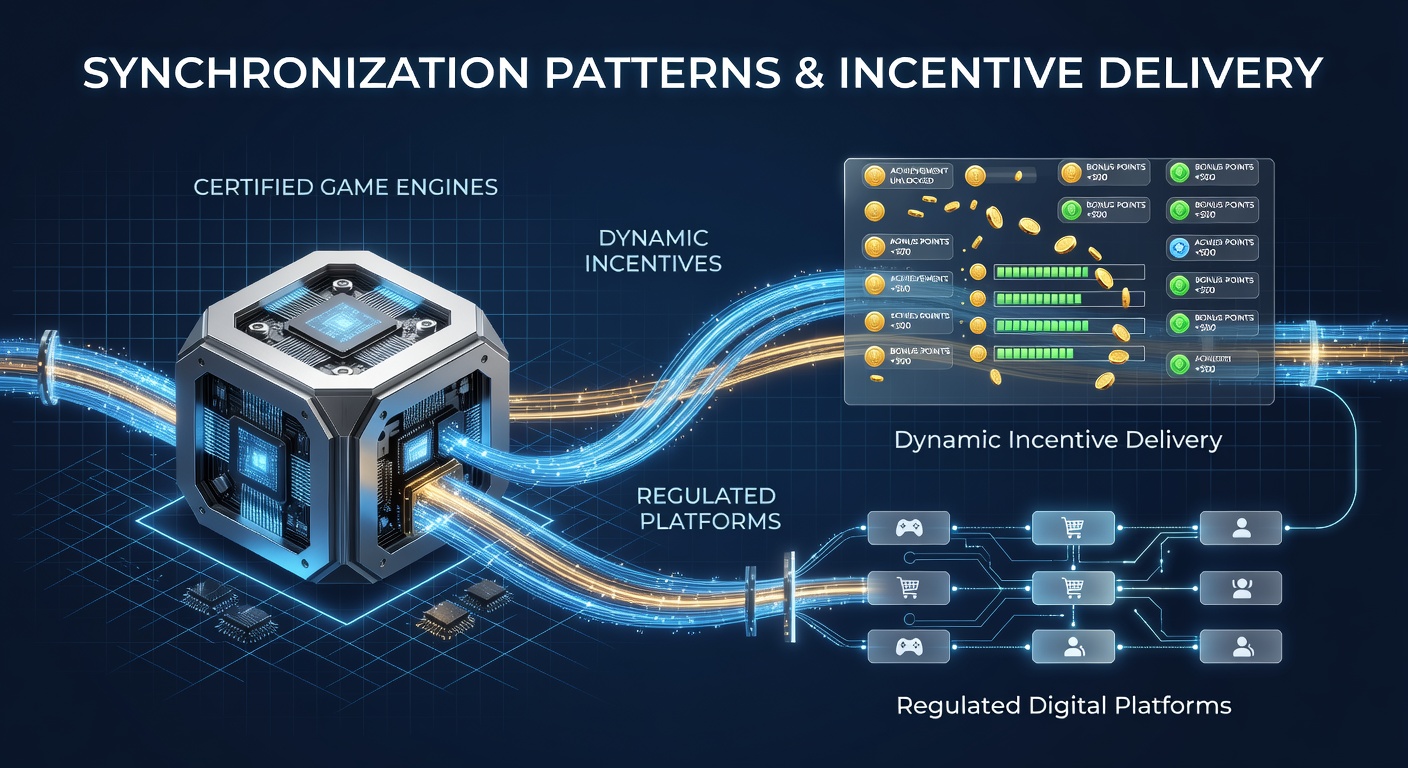
Charting Synchronization Patterns Between Certified Game Engines and Dynamic Incentive Delivery Across Regulated Digital Platforms
Certified game engines such as Unity and Unreal Engine serve as foundational software layers that power interactive experiences across digital platforms while meeting strict technical standards set by regulatory bodies in multiple jurisdictions, and these engines increasingly interface with dynamic incentive systems that adjust rewards based on user behavior and compliance rules. Observers note that synchronization occurs when engine outputs like player progress metrics feed directly into algorithms that trigger incentives such as virtual currency, access upgrades, or achievement badges without violating platform licensing terms. Data from industry reports indicates that this linkage relies on API endpoints and real-time data pipelines that update every few milliseconds to maintain consistency between game states and reward ledgers.
Core Components of Certified Game Engines in Regulated Environments
Game engines undergo certification processes that verify their handling of random number generation, data security, and cross-device compatibility according to frameworks established by agencies including the Malta Gaming Authority and the Alcohol and Gaming Commission of Ontario, and these certifications ensure engines can process inputs from regulated platforms without introducing vulnerabilities. Engineers integrate modules that log every transaction timestamp, user session identifier, and outcome sequence so that external auditors can trace how in-game actions connect to incentive triggers. Research from technical universities in Australia shows that certified engines maintain separate data channels for core gameplay logic and incentive calculations to prevent unauthorized modifications during live operations.
Those who design these systems often employ event-driven architectures where specific game milestones such as level completions or resource collections automatically signal the incentive layer through encrypted packets, and this method reduces latency while preserving audit trails required under multi-jurisdictional rules. In practice, synchronization patterns emerge when engine timers align with platform-side reward schedules so that users receive dynamic offers within the same frame as their in-game achievements register.
Dynamic Incentive Delivery Across Digital Platforms
Dynamic incentive systems adjust reward parameters in response to aggregated user data streams, regulatory caps on prize values, and platform-specific rules that govern promotional frequency, and these adjustments happen through middleware that sits between the game engine and the central account management server. Platforms operating under oversight from bodies like the New Jersey Division of Gaming Enforcement or the Australian Communications and Media Authority must ensure incentives remain proportional to verified activity and do not exceed defined thresholds at any moment. Studies compiled by European research consortia reveal that effective delivery depends on mapping engine-generated variables such as session duration or win frequency directly to incentive multipliers that update continuously.
Patterns of synchronization become visible when incentive algorithms pull live telemetry from the engine and push revised offer parameters back into the user interface without interrupting gameplay flow, and this bidirectional exchange typically uses standardized protocols that support both batch and real-time modes. Regulated operators track these exchanges through immutable logs that capture every change in incentive state alongside corresponding engine events.
Observed Synchronization Patterns and Technical Integration
One common pattern involves phased data handoffs where the engine pauses non-critical processes during incentive recalculation windows to avoid desynchronization, and another relies on predictive buffering that anticipates reward triggers several seconds ahead based on historical player trajectories. Technical documentation from certification labs describes how these patterns maintain consistency across mobile, desktop, and console deployments by normalizing time stamps and currency units at the middleware level. In June 2026 several platforms plan to adopt updated synchronization standards that incorporate machine-learning models for anticipating regulatory adjustments before they take effect, allowing incentive systems to pre-calibrate without manual intervention.
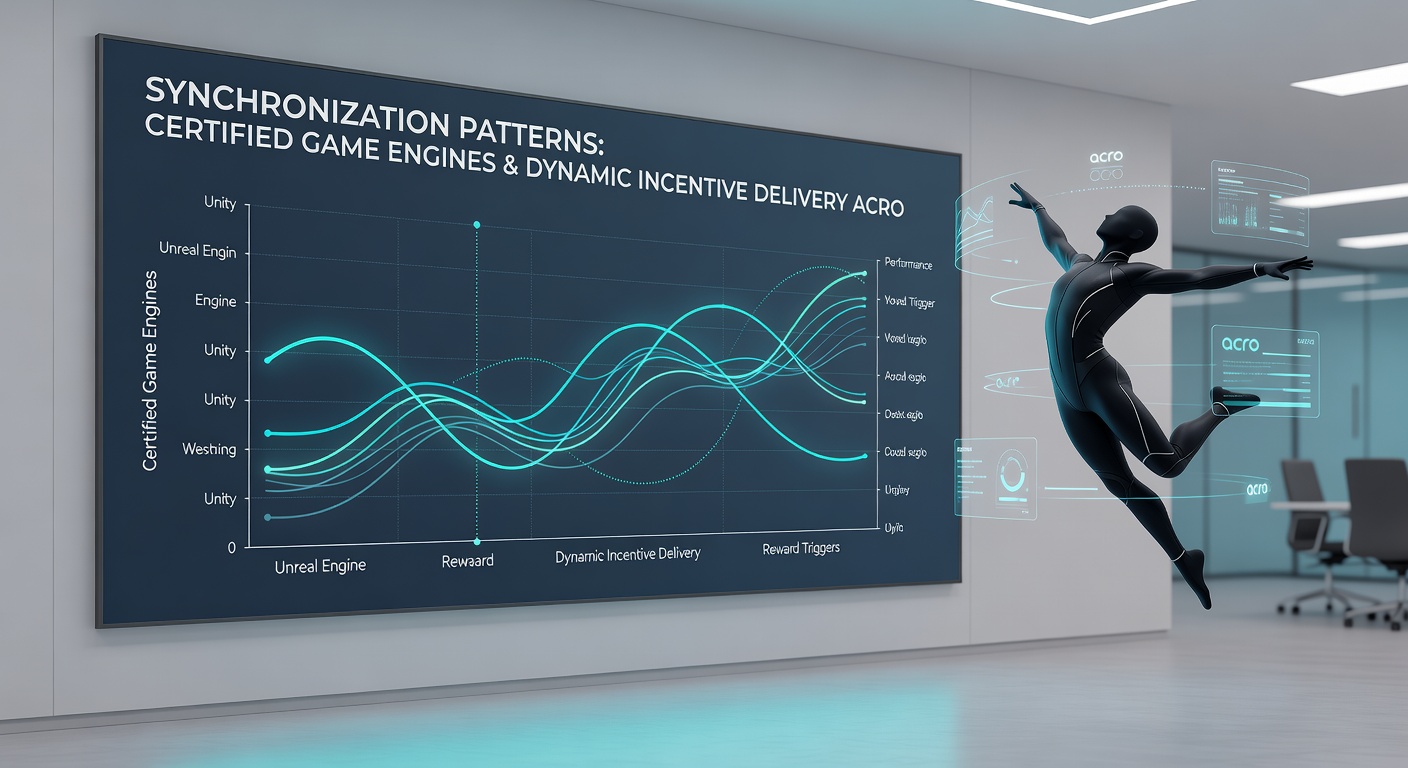
Developers achieve tighter coupling by embedding compliance checks inside the engine itself so that any incentive calculation failing a regulatory test gets rejected before reaching the user, and this approach minimizes post-deployment corrections. Data flows follow predictable rhythms: engine events arrive in bursts during peak activity periods, incentive responses return within strict latency windows, and reconciliation routines run at fixed intervals to verify that delivered rewards match engine-reported activity.
Regulatory Influences on Pattern Development
Regulators across regions require detailed mapping of how engine outputs translate into incentive inputs, and this documentation must demonstrate that synchronization mechanisms cannot be exploited to bypass spending limits or age restrictions. Reports from the Canadian Gaming Association highlight how platforms that maintain clear separation between certified engine code and incentive logic achieve faster approval cycles for new features. Observers note that synchronization testing now forms a mandatory phase in licensing renewals, with auditors examining packet-level traces to confirm that no incentive activates outside engine-verified conditions.
Platforms must also accommodate varying rules by jurisdiction, which leads to modular synchronization layers that swap rule sets based on user location detected at login, and this flexibility demands robust version control so that engine updates do not inadvertently alter incentive behavior in any regulated market. Academic papers on software engineering for regulated systems describe these adaptations as requiring continuous integration pipelines that run compliance simulations alongside functional tests.
Conclusion
Synchronization between certified game engines and dynamic incentive delivery continues to evolve through standardized protocols, rigorous certification, and adaptive middleware that respects regional regulatory boundaries. Industry data shows consistent patterns of real-time data exchange supported by logging and verification steps that keep both gameplay and rewards aligned. As platforms prepare for updated technical requirements scheduled around June 2026, the focus remains on maintaining verifiable connections that satisfy auditors while supporting fluid user experiences across devices.